November 24, 2026
A chimney can appear sturdy from the yard while hidden damage develops inside its masonry, liner, or flashing. Water, heat, and repeated seasonal changes gradually affect these components. Some warning signs are cosmetic, but others indicate conditions that could compromise safe fireplace operation or allow damage to spread into the house.
Recognizing when to request chimney repair helps homeowners avoid using a system that needs professional attention. The following six signs deserve prompt evaluation, especially before lighting another fire. Early attention can also help limit disruption to daily routines and protect nearby building materials from worsening damage.
1. Cracked or Crumbling Masonry
Visible Brick Cracks
Cracks in chimney bricks may result from weather exposure, settling, or repeated heating and cooling. A small surface crack does not automatically mean the structure is unstable, but widening gaps and multiple damaged bricks warrant an inspection.
Loose Mortar Joints
Mortar holds masonry units together and helps keep moisture out. When joints become recessed, powdery, or visibly separated, the chimney may lose protection against rain. A professional can determine whether localized repointing is appropriate or whether deeper structural problems are present.
Falling Masonry Pieces
Fragments of brick or mortar around the fireplace, roof, or chimney base suggest active deterioration. Falling pieces also present a hazard to people below. Avoid standing near affected areas and arrange an evaluation before additional material becomes dislodged.
Changes in Chimney Alignment
A chimney that appears to lean or separate from an exterior wall needs urgent professional assessment. Movement can reflect foundation or structural concerns that extend beyond surface damage.
2. Water Stains Around the Fireplace
Discolored Interior Walls
Brown marks on ceilings or walls near a chimney may indicate water entering through flashing, masonry, or the chimney crown. Stains can remain after a leak dries, so their appearance alone cannot identify the entry point. Timely chimney repair may prevent moisture from damaging adjacent finishes and framing.
Damp Fireplace Surfaces
Moisture inside the firebox when the fireplace has not been used is another warning sign. Wet surfaces can contribute to corrosion and masonry deterioration. A technician can examine the chimney system rather than assuming the problem originates at the roof.
White Powdery Deposits
White residue on exterior brick, called efflorescence, forms when water carries dissolved salts to the surface. The deposit itself is not always damaging, but persistent moisture behind it deserves investigation.
Rust Near the Damper
Rust on a damper, firebox component, or nearby metalwork can signal prolonged moisture exposure. Corrosion may interfere with normal operation and indicate that other parts are affected.
3. Smoke Entering Living Areas
Smoke During Startup
A brief change in airflow can occur when starting a cold fireplace, but persistent smoke spilling into a room is not normal. Obstructions, inadequate draft, or ventilation problems may be involved. Stop using the fireplace until a qualified professional identifies the cause.
Smoke During Normal Burning
Smoke escaping after a fire is established may indicate a restricted flue or another venting defect. This condition deserves prompt attention because combustion gases must travel safely outdoors. Chimney repair is sometimes necessary, although inspection may reveal a cleaning or airflow issue instead.
Strong Soot Odors
Unusual smoky or tar-like odors can accompany accumulated deposits, moisture, or ventilation changes. However, a noticeable change should prompt an inspection, particularly if smoke has also entered the home.
Carbon Monoxide Concerns
Carbon monoxide cannot be detected by smell. If an alarm sounds, everyone should move outside immediately and contact emergency services. Do not reenter until authorities confirm it is safe. We emphasize that a functioning alarm is essential, but it does not replace professional evaluation of venting problems.
4. Damaged Chimney Crown or Cap
Cracks Across the Crown
The crown covers the chimney's upper masonry and helps direct rain away from its interior. Cracks can allow water to penetrate and accelerate deterioration below. Because the crown is exposed to weather throughout the year, even modest damage may become more serious over time.
Missing Chimney Cap
A properly fitted cap helps keep rain, debris, and animals from entering the flue. A missing or displaced cap can leave the opening vulnerable. A technician should verify the appropriate replacement rather than installing a cap that restricts exhaust flow.
Debris Inside the Flue
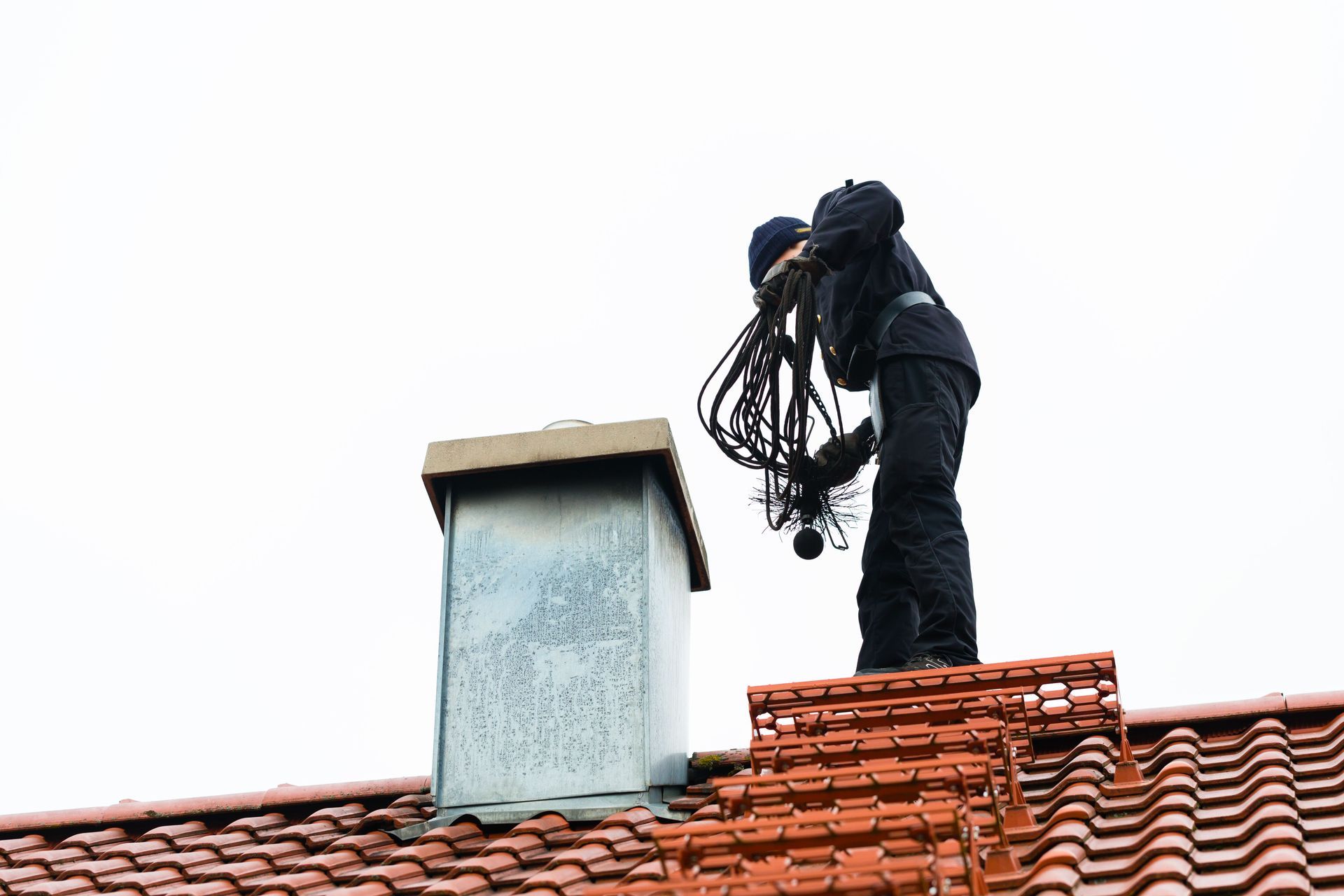
Leaves, nesting material, or fallen masonry can obstruct the passage used to vent combustion gases. Homeowners should not attempt to reach into or climb onto the chimney to remove an obstruction. Professional assessment can determine whether cleaning, component replacement, or chimney repair is needed.
Damaged Flashing Connections
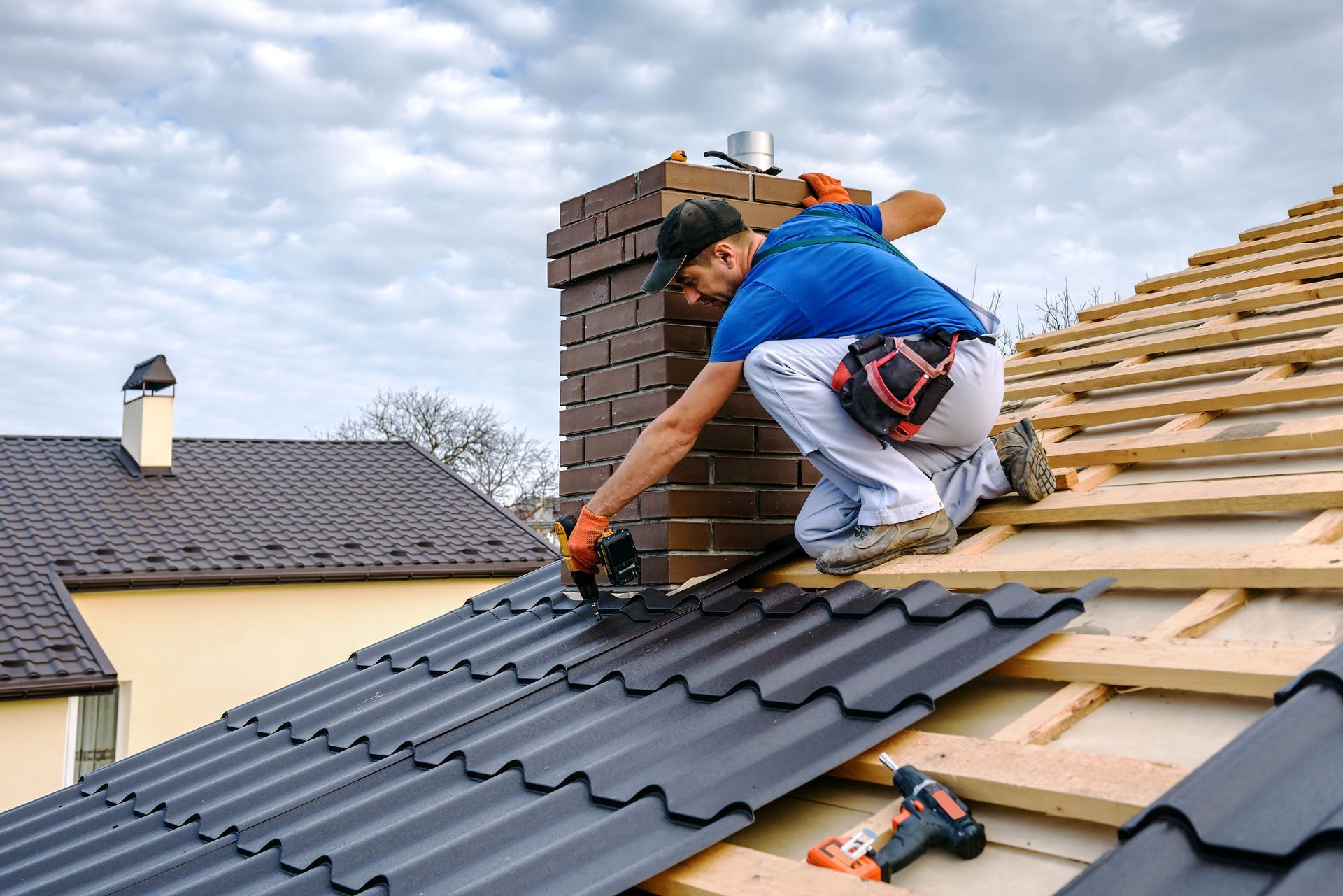
Metal flashing seals the junction where the chimney passes through the roof. Bent, separated, or corroded flashing can permit water to enter the roof assembly.
5. Deteriorating Flue Liner
Broken Liner Fragments
Pieces of clay tile found in the firebox may indicate damage to a clay flue liner. Liners help contain combustion products and protect surrounding materials from heat. Fragments warrant an inspection before further use, even when the fireplace otherwise seems to operate normally.
Visible Liner Gaps
Gaps or cracks inside the flue can compromise the barrier between hot gases and the chimney structure. These defects may not be visible from the fireplace opening. Qualified technicians use appropriate inspection methods to determine whether chimney repair or relining is required.
Evidence of Excessive Heat
Discolored masonry, unusual cracking, or damage following a suspected chimney fire can indicate exposure to extreme temperatures. According to the Chimney Safety Institute of America, chimney fires are responsible for more than $125 million in property damage each year. That figure underscores why potential fire damage should never be dismissed.
Unexplained Draft Changes
A sudden difference in fireplace performance can sometimes accompany flue deterioration or blockage. Draft changes have several possible causes, so a thorough examination matters more than guessing.
6. Unusual Sounds or Signs of a Chimney Fire
Loud Roaring Sounds
A roaring or rumbling noise from the chimney during a fire may indicate a chimney fire. Some events are less obvious, so sound alone is not a reliable test. If a chimney fire is suspected, leave the building and call emergency services immediately.
Intense Heat or Sparks
Excessive heat near the chimney or sparks emerging from its top can signal dangerous conditions. Do not attempt to investigate from the roof or continue operating the fireplace. Emergency responders should address an active fire before any inspection or repairs are scheduled.
Unexpected Soot Deposits
Large amounts of fallen soot or unusual deposits may point to changes inside the flue. Deposits can also reflect ordinary use, making professional interpretation important. A chimney inspection can establish whether buildup, damage, or another condition needs attention.
Damage After a Fire Event
Even after an apparent chimney fire has ended, the system should remain unused until inspected. High temperatures can damage liners and nearby materials without obvious exterior signs. We help homeowners understand what the examination reveals and whether chimney repair is necessary before safe operation can resume.
Cracked masonry, water intrusion, indoor smoke, damaged upper components, liner defects, and signs of a chimney fire all deserve attention. Some problems can be addressed with targeted work; others require more extensive correction. The safest decision begins with an accurate professional assessment rather than assumptions based on appearance. Contact The Chimney Guy, LLC to schedule an inspection, discuss recommended chimney repair, and protect your home's fireplace system before the next fire.