April 24, 2026
Maintaining a clean chimney is a year-round responsibility that goes far beyond a simple spring cleaning chore. While many homeowners wait for the cold weather to arrive before thinking about their fireplace, proactive care is essential for safety, structural integrity, and air quality. Keeping your home safe involves understanding how soot and debris accumulate and why professional intervention is necessary to prevent hazards like fires and carbon monoxide exposure. By shifting the focus from reactive repairs to preventative maintenance, you can ensure that your home remains a sanctuary of warmth rather than a source of hidden danger. This commitment to upkeep is a fundamental part of responsible homeownership that pays dividends in comfort and security.
Understanding the Vital Role of Regular Maintenance
Chimney upkeep is a critical aspect of home safety that impacts your family's health and energy efficiency. Historically, the practice of cleaning these flues began in the late Middle Ages as fireplaces became a primary source for heating and cooking. As architecture evolved and chimneys became taller and more complex, the risk of dangerous soot accumulation grew exponentially. In the early days, this task was often associated with extreme hardship, but it was recognized even then as a mechanical necessity to keep a home habitable and free of smoke.
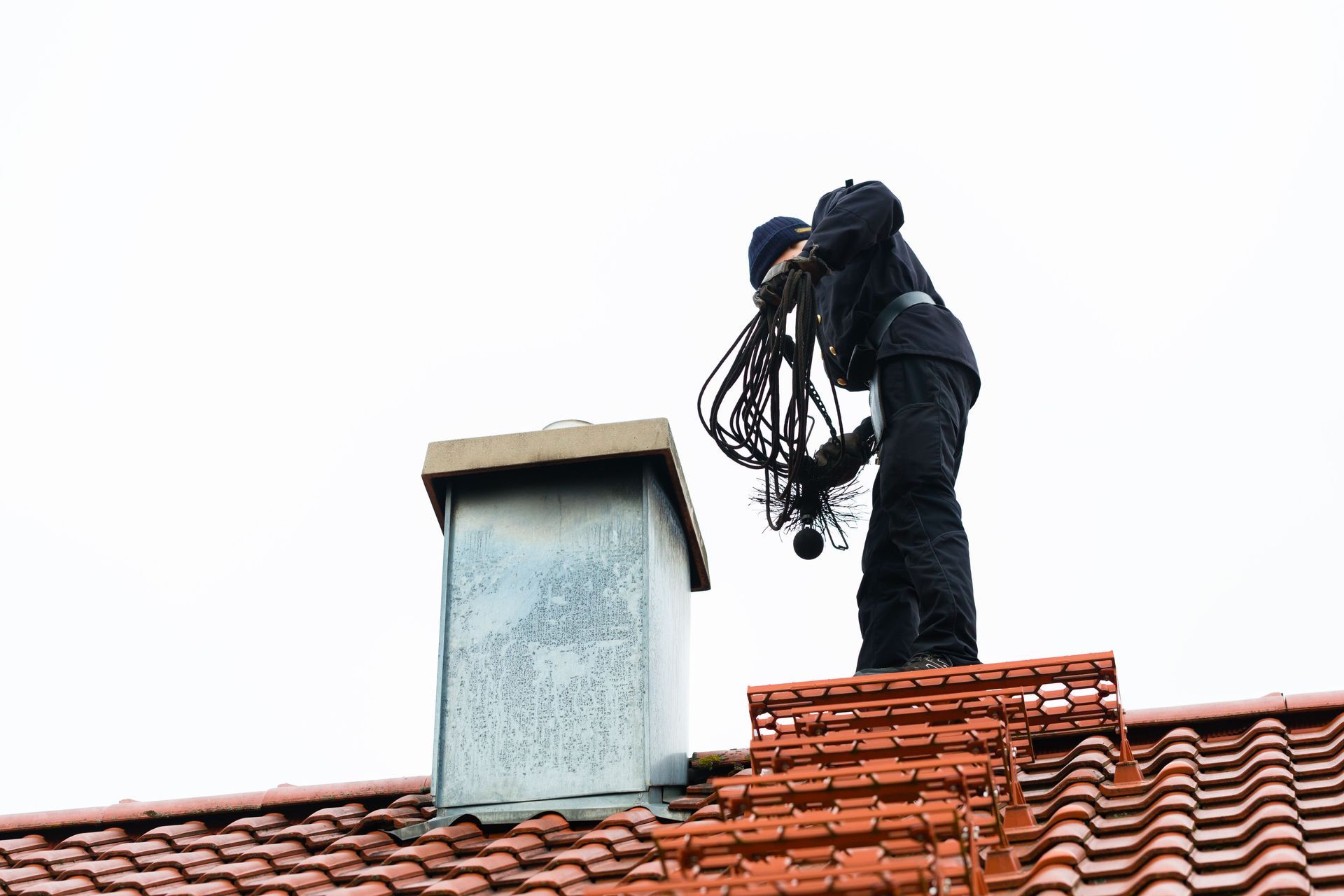
Modern chimney sweeping has come a long way from the simple sticks and brushes of the past. Today, the trade involves high-tech diagnostic tools, including specialized cameras that can inspect the internal integrity of a flue from top to bottom. These advancements allow for the identification of cracks, gaps, or structural weaknesses that would be invisible to the naked eye. By catching these issues early, you avoid the high costs of major masonry repairs and ensure that your heating system remains in peak condition regardless of the season.
Preventing Dangerous Creosote and Soot Buildup
One of the most significant threats to any home with a wood-burning appliance is the accumulation of creosote. This highly combustible, tar-like byproduct of wood smoke sticks to the walls of your chimney and can ignite under the right conditions, leading to a intense chimney fire. These fires are particularly dangerous because they can happen inside the walls where they are difficult to detect until they have already spread to the structure of the house. According to Forbes, if you burn more than two cords of wood or 36 fires annually, your chimney should be cleaned more than once a year.
Professional chimney sweeping is designed specifically to scrape away these layers of creosote before they reach a dangerous thickness. While a single fire might not seem like much, the cumulative effect of a season's worth of burning can create a significant hazard. This is why experts recommend a schedule that reflects how often you actually use your fireplace. If you find yourself lighting a fire every chilly evening, your maintenance needs will naturally be higher than someone who only uses their hearth for special occasions.
Maximizing Home Energy and Heating Efficiency
The efficiency of your fireplace or wood stove is directly tied to the cleanliness of the venting system. When a flue is restricted by debris, the fire does not get the oxygen it needs to burn hot and clean. This results in "smoldering," which produces more smoke and less heat, essentially wasting the money you spent on fuel. By prioritizing chimney sweeping, you ensure that your system achieves the proper draft, allowing for a more complete and efficient burn that produces maximum warmth for your living space.
This efficiency extends to your monthly energy bills as well. A chimney that is working correctly helps regulate the temperature of the home more effectively. When a chimney is clogged, it can create a "backdraft" effect, where cold air is pulled into the house while warm air is pushed out through gaps in the windows and doors. Professional maintenance ensures that your dampers and seals are working correctly, preventing your heated air from escaping up the chimney when it isn't in use and keeping the cold air where it belongs—outside.
Managing Seasonal Cleaning and Inspection Needs
Many people assume that a chimney only needs attention right before the first fire of the winter, but each season brings its own set of requirements. Spring is actually one of the best times for chimney sweeping because it removes the acidic ash and soot that has settled during the winter. If left to sit through the humid summer months, these deposits can mix with moisture in the air to create a foul odor and accelerate the corrosion of the flue.
Summer brings its own unique set of challenges, primarily in the form of unwanted guests. Birds, squirrels, and even raccoons often see an unused chimney as a perfect place to build a nest. These nests can completely block a flue, creating a major hazard the moment you try to light a fire in the fall. An inspection during the warmer months can identify these obstructions and ensure that protective caps are in place to keep wildlife out. It also allows professionals to check for any water damage caused by summer storms.
When autumn arrives, the focus shifts to preparation. This is the final check to ensure that no new debris has entered the system and that everything is structurally sound for heavy use. In areas with harsh winters, the freeze-thaw cycle can take a toll on exterior masonry, so a fall inspection is the perfect time to seal any cracks before they become major leaks. By following this seasonal rhythm, you avoid the stress of last-minute appointments and can enjoy your fireplace the moment the temperature drops.
Evaluating Professional Versus Homemade Maintenance Efforts
In an age of DIY tutorials, it can be tempting to try and clean your own chimney to save a few dollars. However, this is one area of home maintenance where professional expertise is indispensable. A professional chimney sweeping service brings more than just a brush; they bring specialized knowledge of local building codes, fire safety regulations, and structural engineering. They can spot subtle signs of trouble—like a crumbling flue tile or a rusted damper—that an untrained homeowner would likely overlook.
Safety is another major factor to consider. Working on a roof is inherently dangerous, especially without the proper harnesses and ladders used by experts. Furthermore, the dust and soot released during a cleaning can be hazardous if inhaled. Professionals use high-powered industrial vacuums and containment systems to ensure that no dust enters your home’s living area.
Analyzing Environmental Impacts of Regular Upkeep
Maintaining a clean chimney is not just about home safety; it is also an act of environmental stewardship. A clogged or dirty flue causes "incomplete combustion," which is a fancy way of saying the wood doesn't burn all the way through. This produces high levels of particulate matter and harmful gases that are released into the atmosphere. By ensuring your fireplace is clear through regular chimney sweeping, you allow the fire to burn at a higher temperature, which significantly reduces the amount of smoke and pollutants exiting your home.
The industry is also moving toward more eco-friendly practices. Many professionals now utilize sustainable cleaning agents that are biodegradable and non-toxic, ensuring that the process doesn't introduce harsh chemicals into your home or the local groundwater. Additionally, by keeping your fireplace running efficiently, you are making the most of a renewable fuel source.
Prioritizing Safety and System Longevity Year-Round
Consistency is the most important factor in chimney care. It isn't a "once-and-done" task but a recurring commitment to the safety of everyone under your roof. By scheduling regular chimney sweeping, you are essentially buying insurance against the most common causes of house fires and gas leaks. This proactive habit allows you to catch small issues—like a loose brick or a worn-out seal—before they turn into emergency repairs that cost thousands of dollars.
The long-term benefits of a well-maintained chimney include better airflow, lower energy costs, and the prevention of hazardous fires. Taking a proactive approach to your fireplace ensures that it remains a source of comfort rather than a safety risk. By keeping up with regular inspections and cleanings, you protect both your property and your loved ones year-round. For all your maintenance needs, reach out to The Chimney Guy, LLC.