May 20, 2026
Scheduling your first chimney sweep appointment is a crucial step in maintaining the safety and efficiency of your fireplace. The process begins with choosing a reliable chimney sweeping service, which can be done by researching online reviews, asking for recommendations from friends, or checking listings on credible platforms. It's important to ensure that the company you choose is certified and has a good track record of providing quality service.
Understanding the costs involved in a chimney sweep appointment is essential for effective budgeting. According to Fixr, most companies offer inspection and cleaning as a package, with Level 1 or Level 2 inspections taking around 30 minutes to an hour, while Level 3 inspections may take more than a day, depending on the amount of work needed. Prices can vary based on the complexity of the inspection, the company’s pricing structure, and the specific needs of your chimney.
Preparing your home for the sweep is an essential part of the process. This includes clearing the area around the fireplace, ensuring the chimney is accessible, and discussing any specific concerns with the service provider. Setting a convenient appointment time that fits your schedule can make the process smoother and ensure you are available to discuss any findings or recommendations. A pre-appointment checklist can help ensure that everything is ready for the sweep.
1. Initial Assessment and Safety Check
The initial assessment and safety check are a critical phase of the chimney sweep appointment. It begins with a visual inspection of the chimney exterior, where the technician looks for visible damage, blockages, or other issues that could affect performance. This step is vital in identifying potential hazards that might not be apparent to the untrained eye.
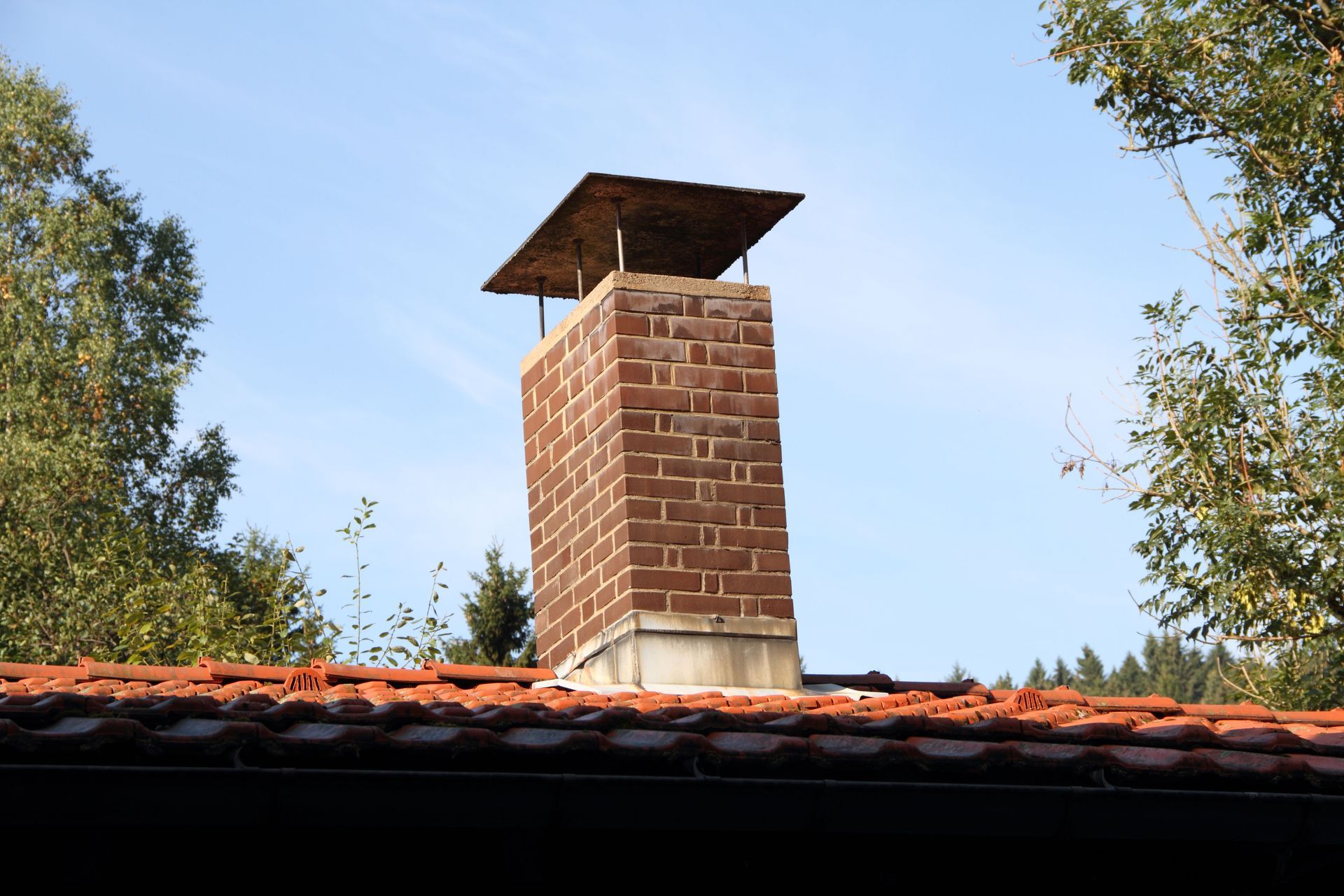
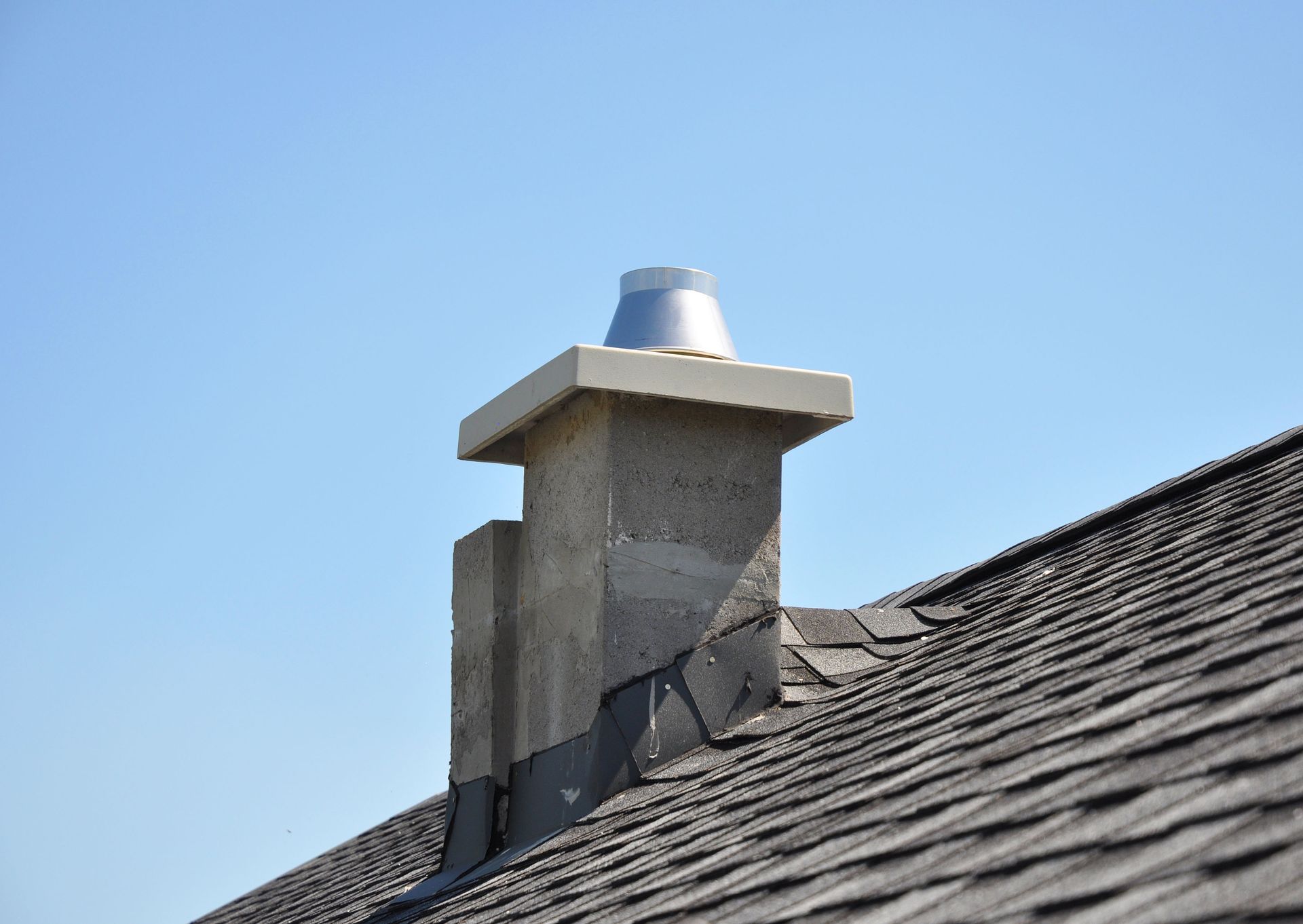
Checking for obstructions or damage is essential to ensure the chimney functions correctly. This involves examining the chimney cap, crown, and flashing for any signs of wear or blockage. Identifying these issues early can prevent more significant problems, such as smoke damage or even chimney fires.
The technician will also evaluate the structure and integrity of the chimney. This includes checking for cracks, leaks, or other structural issues that could compromise safety. Assessing the fireplace and flue condition is also part of this process, ensuring they are clean and free from creosote buildup. Safety protocols and precautions are discussed to ensure that the chimney operates safely and efficiently.
2. The Sweeping Process Explained
The sweeping process is an essential part of the chimney maintenance routine. It involves using specialized tools and equipment designed to clean the flue and smoke chamber thoroughly. These tools include brushes, vacuums, and cameras, which help ensure a comprehensive cleaning process provided by your chimney sweeping service.
Cleaning the flue and smoke chamber is crucial for removing soot and creosote buildup. Creosote is a highly flammable substance that can lead to chimney fires if not removed regularly. By thoroughly cleaning these areas, the chimney sweep helps maintain a safe and efficient fireplace operation.
Handling soot and debris is an integral part of the sweeping process. The technician will use vacuums to prevent dust and debris from spreading into your home. Ensuring effective ventilation is also a priority, as it helps maintain indoor air quality and prevents smoke from backing up into the living area. The sweeping process is a key step in comprehensive chimney maintenance.
3. Post-Sweep Inspection and Maintenance Tips
After the sweeping process is complete, a post-sweep inspection is conducted. This final inspection aims to detect any remaining problems, such as cracks or blockages, that were not addressed during the initial assessment. Identifying these issues promptly can prevent further damage and ensure safe operation.
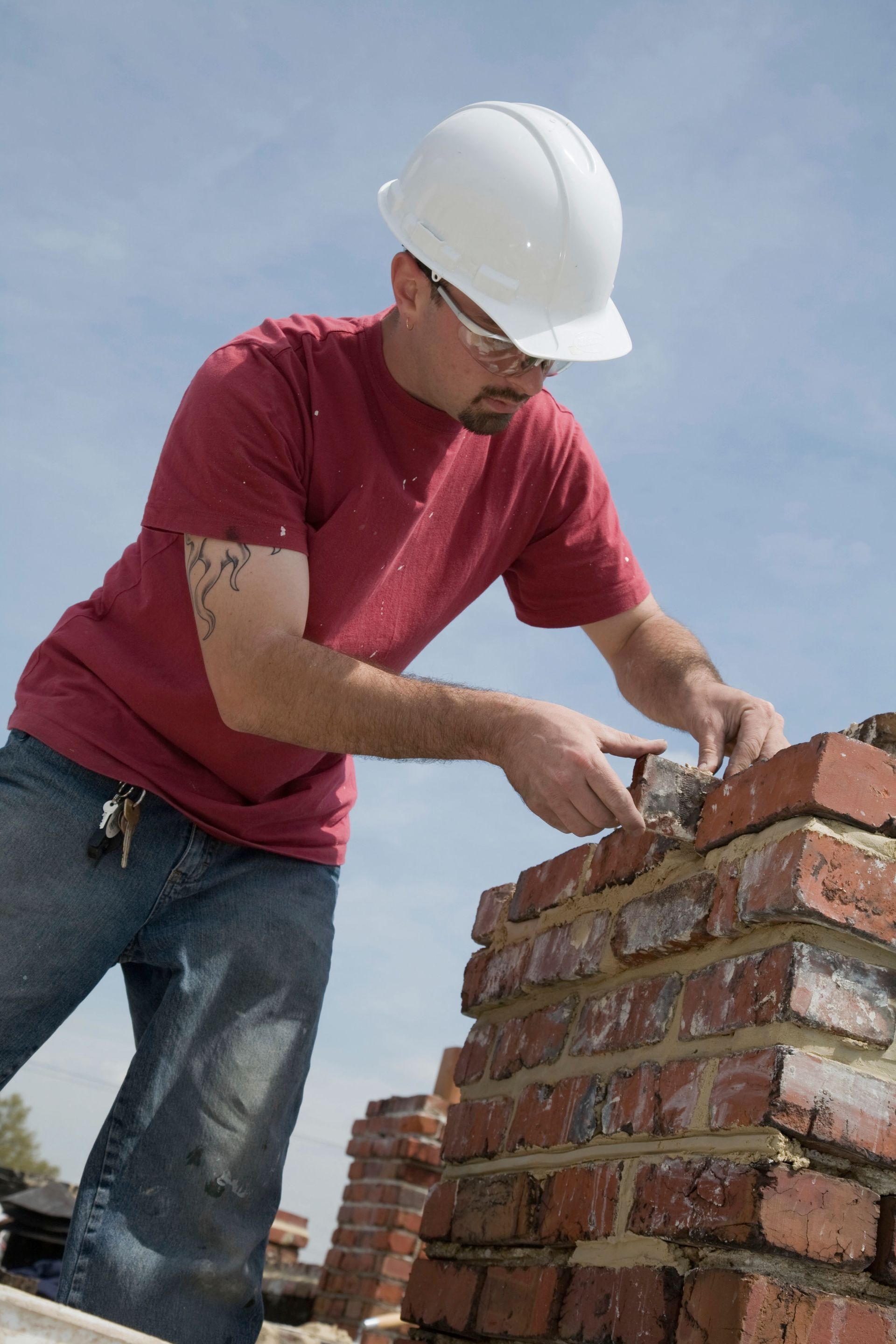
Addressing minor repairs, if needed, is an important aspect of post-sweep maintenance. The technician may recommend fixing small issues like minor cracks or loose bricks to prevent them from becoming major problems. This proactive approach helps maintain the structural integrity of the chimney.
Recommendations for regular maintenance are provided to ensure continued safety and efficiency. These may include scheduling a regular chimney sweeping service, using appropriate firewood, and installing chimney caps to prevent debris and animals from entering. Discussing future service needs with the technician can help you plan for ongoing maintenance. Tips for maintaining a safe chimney are also shared to promote long-term safety and efficiency.
4. Understanding Common Problems and Solutions
Identifying common chimney problems is essential for maintaining a safe and efficient fireplace. Chimney blockages, for instance, can restrict airflow and cause smoke to back up into your home. These blockages are often caused by creosote buildup, debris, or animal nests, and regular inspections can help prevent them.
Addressing leaks and water damage is another critical aspect of chimney maintenance. Water can enter through cracks in the chimney or faulty flashing, leading to structural damage and mold growth. Proper sealing and timely repairs are necessary to prevent these issues from escalating.
Dealing with animal nests is a common challenge for homeowners with chimneys. Birds, squirrels, and other animals may nest in the chimney, causing blockages and potentially damaging the structure. Installing a chimney cap and scheduling a routine chimney sweeping service can help keep animals out and ensure your chimney remains in good condition.
5. Benefits of Regular Chimney Sweeping
Regular chimney sweeping offers numerous benefits for homeowners. One of the primary advantages is enhancing fireplace efficiency, as a clean chimney allows for better airflow and combustion. This not only improves heat output but also reduces the amount of wood needed, saving you money in the long run.
Preventing fire hazards is another significant benefit of regular chimney sweeping. Removing creosote buildup and other combustible materials reduces the risk of chimney fires, which can be devastating and dangerous. Regular maintenance ensures that your fireplace operates safely, providing peace of mind for you and your family.
Improving indoor air quality is a crucial aspect of chimney maintenance. A clean chimney prevents smoke and harmful gases from entering your home, promoting a healthier living environment. Additionally, a professional chimney sweeping service helps extend the lifespan of your chimney, as it prevents damage and deterioration over time. These benefits underscore the importance of investing in regular chimney maintenance.
Your first appointment is a comprehensive educational experience that goes far beyond simple cleaning. By understanding the mechanical state of your flue and addressing buildup before it becomes a hazard, you are investing in the long-term safety and structural integrity of your household. The data gathered during this visit—from the condition of your chimney cap to the thickness of creosote deposits—is vital for creating a sustainable future maintenance plan.
A professional chimney sweeping service doesn't just remove soot; it provides a professional diagnosis of your home’s ventilation health. This proactive approach helps you avoid the high costs of emergency masonry repairs or water damage remediation caused by deteriorating flashing. Ultimately, a well-maintained chimney ensures that your family stays warm without the hidden risks of carbon monoxide backup or accidental fires.
When you are ready to ensure your fireplace is operating at its peak performance, it is time to trust the experts who understand the nuances of local codes and safety standards. Reach out to The Chimney Guy, LLC today to schedule your comprehensive inspection and chimney sweeping service. Enjoy the comfort and warmth of your home with the total confidence that comes from professional care.